
Align &
Sustain Funding
Since 2021, state agencies have invested more than $4 billion in wildfire resilience projects and programs, primarily through competitive grants funded by the Greenhouse Gas Reduction Fund, Proposition 4, and the General Fund. During this same period, the USDA Forest Service and other federal land management agencies have also invested billions on federal land in California. Sustaining and leveraging these investments with growing public-private funding is vital to achieve the goals of the Plan.
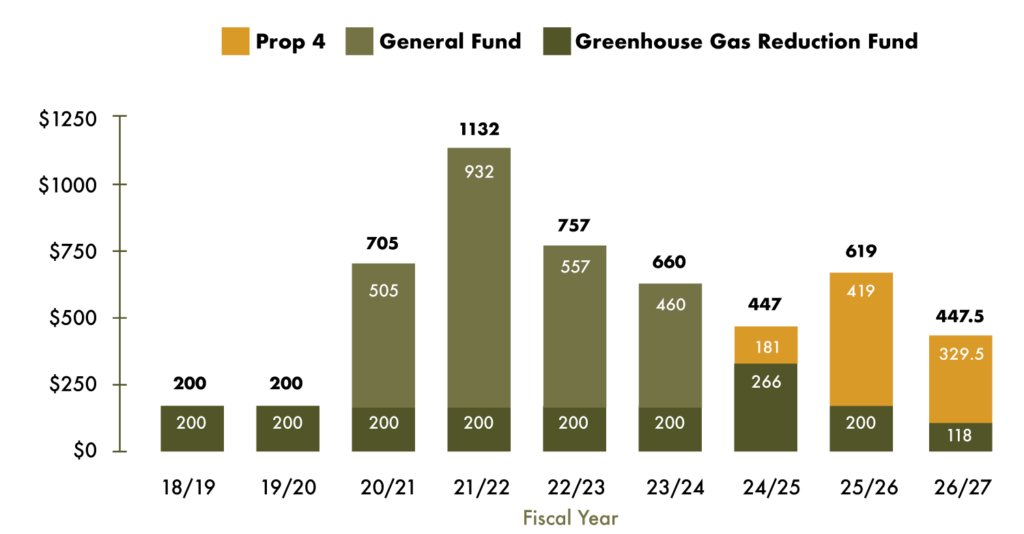
Figure 2. State of California Wildfire Resilience Investments: FY2018-2026 (in millions).
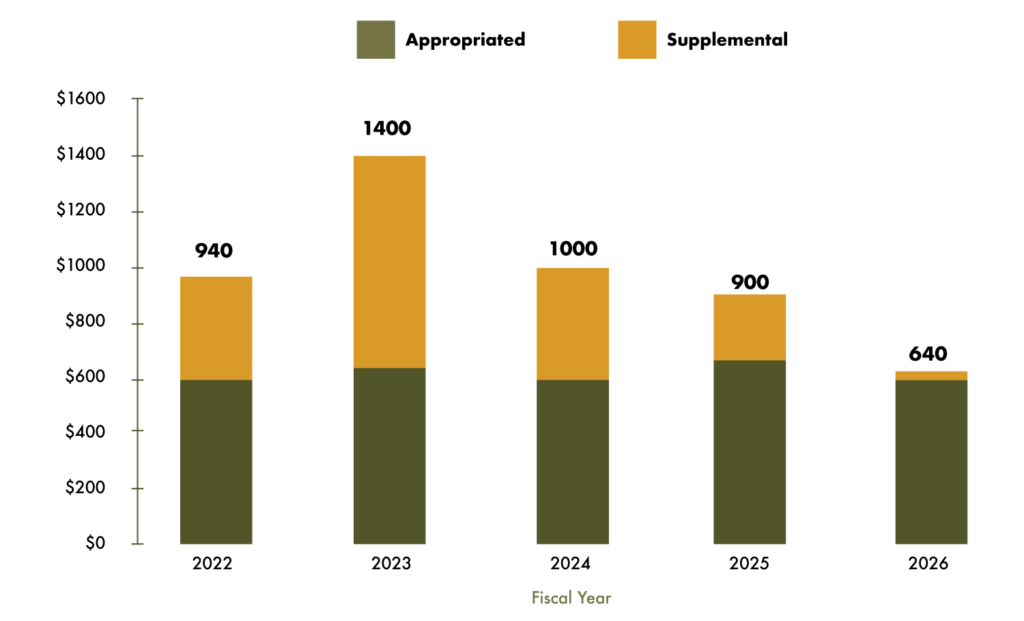
Figure 3. Federal Wildfire Resilience Investments in California FY2022-2026 (in thousands).
State investments have supported more than 2,200 wildfire resilience projects across the state. While recent studies show these funds are effectively targeting highest-hazard areas, grants for individual projects slow the pace of progress, hinder workforce development and wood utilization, and present a large administrative burden.
To increase the pace and scale of resilience strategies more efficiently, state and federal agencies are increasingly shifting to block grants. These include the RFFC block grants, CAL FIRE and the Sierra Nevada Conservancy’s landscape grant pilots, and models such as the USDA Forest Service’s Collaborative Forest Landscape Restoration Program and priority landscapes.
Beyond public grants, philanthropic funding and conservation finance can complement public investments in multi-benefit wildfire resilience projects. Using risk-based decision tools and outcome-based measures to quantify portfolio benefits can help regional collaboratives attract these complementary sources of funding and financing.
Key Actions
- 3.08 Invest in Regional and Landscape-Scale Programs of Work: Pursuant to AB 2513 (Petrie-Norris, 2026), DOC, CAL FIRE, the Wildlife Conservation Board, and other agency partners will continue awarding regional landscape grants to eligible regional entities. These grants fund regional priority strategies developed through the RFFC Program. Agencies will collaborate to adopt shared funding criteria and guidance tied to regional plans. These criteria will prioritize multi-project, multi-year portfolios that deliver multi-benefit outcomes, increasing predictability while reducing administrative burdens.
- 3.09Expand Investments in Planning and Technical Assistance: DOC, CAL FIRE, and other state entities will expand investments and targeted technical assistance to build the capacity of regional and tribal partners to develop and implement Regional Priority Plans and county-level CWPPs. This support will help partners build organizational infrastructure, enhance project planning and implementation skills, develop program expertise, and adopt novel technologies to accelerate wildfire resilience work.
- 3.10 Identify Equitable and Durable Community Wildfire Mitigation Financing Options: CAL FIRE, in coordination with the Wildfire Mitigation Advisory Committee, will develop a coordinated approach to expand access to financial assistance, technical assistance, and implementation capacity for community wildfire mitigation. Grant opportunities, financing options, credits, incentives, and other long-term funding options will be considered.
- 3.11Pool Landscape-Scale Funding Using Proposition 4: Where appropriate, CNRA and participating departments will utilize Control Section 15.04 to combine and efficiently administer Proposition 4 Climate Bond funds for eligible projects, while developing streamlined process guidance and agreement templates.
- 3.12Streamline Funding Delivery: CNRA and its departments—in partnership with other state and federal funding entities—will continue to coordinate the rollout of Proposition 4 Climate Bond funding and other resources. This coordination will feature guidance that simplifies funding pathways, ensures community input and transparency, standardizes reporting and administration, and increases flexibility to combine funding sources.
- 3.13 Broaden Funding Pathways: Task Force partners will continue to pilot and promote innovative funding mechanisms to supplement traditional public grants and attract new capital for regional implementation. Potential approaches include expanding public-private partnerships to align federal and state investments with private capital; developing standardized methodologies for calculating benefits and avoided costs: and adopting conservation finance models such as forest resilience bonds. These mechanisms will be linked to outcome-based measures to evaluate investments based on measurable reductions in wildfire risk and improvements in landscape resilience.