
Executive Summary
In 2021, California created a world-leading roadmap for multi-landscape wildfire resilience. It was, at the time, the most sophisticated strategy to large-scale landscape health and wildfire prevention ever executed. A model for other regions. A sustainable path for a changing climate.
In 2026, the new Action Plan goes even further, building on that progress, knowledge and momentum, while folding in major breakthroughs in new science and technological advancements.
As hundreds of organizations align towards nurturing healthier natural landscapes that minimize the risks of catastrophic wildfires, the 2026 Action Plan keeps California at the leading edge of wildfire resilience, protecting our natural lands, our communities, and the people and places we love.
California’s wildfire crisis demands unified collective action across federal, state, local, tribal, and private organizations. As the central coordinator for this effort, the California Wildfire and Forest Resilience Task Force (Task Force), in 2021, issued the state’s first comprehensive framework to improve the health of California’s fire-adapted landscapes and the resilience of its communities.
This updated Action Plan, covering 2026 through 2031, provides a new framework that builds upon a strong scientific foundation, unprecedented state, federal, and local investments, and the tremendous growth and sophistication of local organizations and regional collaboratives across the state.
Developed in partnership with the U.S. Department of Agriculture (USDA) Forest Service and a diverse coalition of stakeholder agencies, this Action Plan also serves as the second five-year framework advancing the landmark 2020 Shared Stewardship Agreement. This agreement commits the State of California and the USDA Forest Service to implement a coordinated 20-year roadmap at five-year intervals that aligns their respective forest and vegetation management programs.
Science and collaborative action sit at the center of the Action Plan, connecting four linked efforts: 1) landscape resilience, 2) community wildfire preparedness, 3) mobilizing regional action, and 4) cross-cutting initiatives.
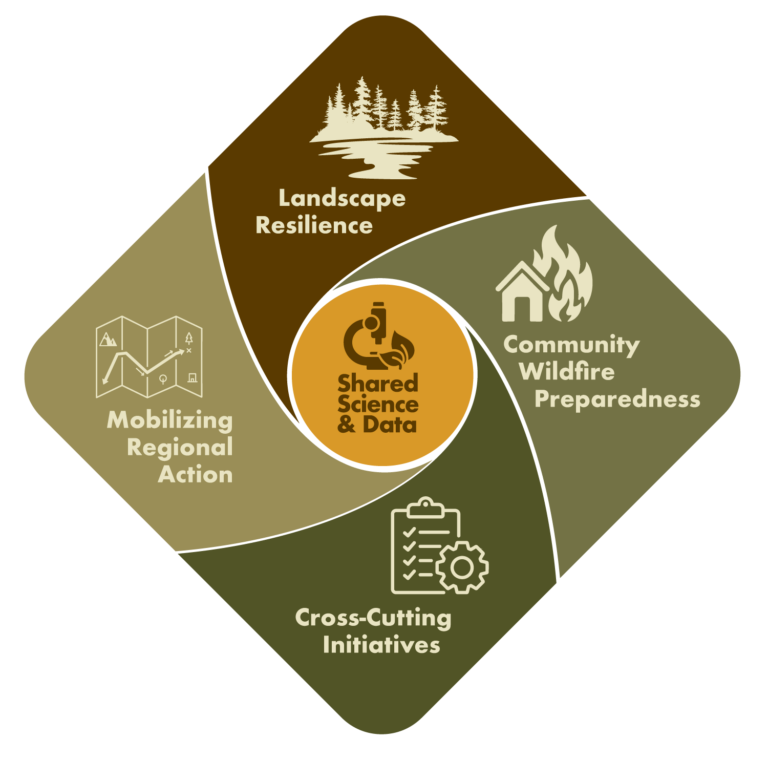
Together, these elements reinforce one another: landscape treatments reduce fire severity and spread near communities; community preparedness protects people, reduces losses, and enables the use of beneficial fire; regional delivery coordinates execution and improves effectiveness; and cross-cutting initiatives tackle implementation barriers across land ownerships.

Landscape
Resilience Strategy
Landscape Resilience Strategy
The Landscape Resilience Strategy establishes a new 10-year strategy that prioritizes treatments on the state’s highest-hazard landscapes. Prioritizing appropriate treatment of high-hazard or overly dense vegetated areas maximizes wildfire risk reduction and ecological benefits. When paired with ignition reduction programs, it also sets the stage for rapidly scaling beneficial fire to maintain the resilience of the state’s fire-adapted landscapes, including forests, woodlands, grasslands, and shrublands.
To support this approach, the Landscape Resilience Strategy includes actions to:
- Scale up treatments in high-hazard and landscapes with dense vegetation, particularly in the Wildland-Urban Interface (WUI);
- Expand beneficial fire through streamlined permitting, launching a Beneficial Fire Training Network, and restoring landscape conditions to significantly scale up beneficial fire, including the strategic use of natural ignitions under the right conditions;
- Reduce the state’s reforestation backlog and expand the work of Emergency Forest Restoration Teams;
- Conserve shrubland ecosystems – including chaparral, coastal sage scrub and other shrubland types, through collaborative, science-based initiatives that improve landscape health and reduce wildfire risks; and
- Align wildfire and natural resource planning and policy among state and federal partners.
The Strategy also calls for outcome-based measures to complement “acres treated” as the primary metrics for assessing progress to improve landscape resilience. Outcome-based measures will be developed through a collaborative effort with the USDA Forest Service, state agencies, California Native American tribes, regional collaboratives, partner organizations, and other western states to align objectives and reporting.

Community Wildfire
Preparedness Strategy
Community Wildfire Preparedness Strategy
Building upon a historic legislative package passed this year (2026), the Community Wildfire Preparedness Strategy applies a holistic approach to limit wildfire impacts. This strategy calls for actions within communities to enable long-term planning, preparedness, and recovery. It focuses on expanding actions that have the greatest impact strengthening local capacity and coordination, and improving the data and tools needed to target investments and track outcomes.
To achieve these goals, the Community Wildfire Preparedness Strategy includes actions to:
- Harden buildings and ensure defensible space through Zone Zero ember-resistant regulations, building house-to-house risk models, and establishing low-interest financing for structural retrofitting under AB 1934 (Bennett, 2026), AB 1964 (Bennett, 2026), and SB 894 (Allen, 2026);
- Strengthen community-wide preparedness programs by establishing a California Wildfire Preparedness Program, launching neighborhood wildfire mitigation certifications under AB 1960 (Bennett, 2026), and expanding multilingual evacuation alerts and smoke hazard programs;
- Limit unwanted ignitions through electric utility Wildfire Mitigation Plans and expanding roadside treatments and regional ignition reduction partnerships; and
- Prioritize landscape treatments around communities and infrastructure by building a comprehensive statewide network of strategic fuel breaks, embedding Potential Operational Delineations (PODs) into regional priority plans, and expanding utility wildfire mitigation partnerships.

Mobilizing Regional
Action Framework
Mobilizing Regional Action Strategy
The Mobilizing Regional Action Strategy focuses on building the capacity and coordination needed to align individual projects into integrated regional programs of work, with actions to:
- Develop Regional Priority Plans, Community Wildfire Protection Plans, and five-year interagency plans of work to align and advance regional priorities;
- Expand access to data, tools, and modeling to improve regional planning and project prioritization;
- Align and sustain funding to expand regional landscape grants and multi-year funding for coordinated, multi-benefit project portfolios;
- Expedite state and federal reviews and permitting while maintaining environmental safeguards and tribal consultation to deliver important projects;
- Expand implementation partnerships and capacity to strengthen shared stewardship, public-private partnerships, and regional workforce and organizational capacity; and
- Align monitoring and reporting programs to improve shared project tracking, dashboards, and outcome-based measures to assess the effectiveness and benefits of projects and regionally based plans.

Cross-Cutting
Initiatives
Cross-Cutting Initiatives
The Cross-Cutting Initiatives section cultivates inclusive partnerships and leverages local capacity to:
- Support tribal stewardship to protect sovereignty, integrate Traditional Ecological Knowledge (TEK), and sustain tribal communities;
- Sustain private landowner stewardship to expand financial assistance pathways for non-industrial holdings;
- Expand workforce and career development pathways to secure job recruitment to be commensurate with the scale of work needed;
- Expand wood utilization capacity to grow regional markets for both conventional and innovative wood products;
- Promote and expand sustainable recreation to build multi-benefit trails and protect rural gateway economies; and
- Expand prescribed grazing to reduce flashy fine fuels using appropriately managed livestock systems.
Science Shapes
this Action Plan
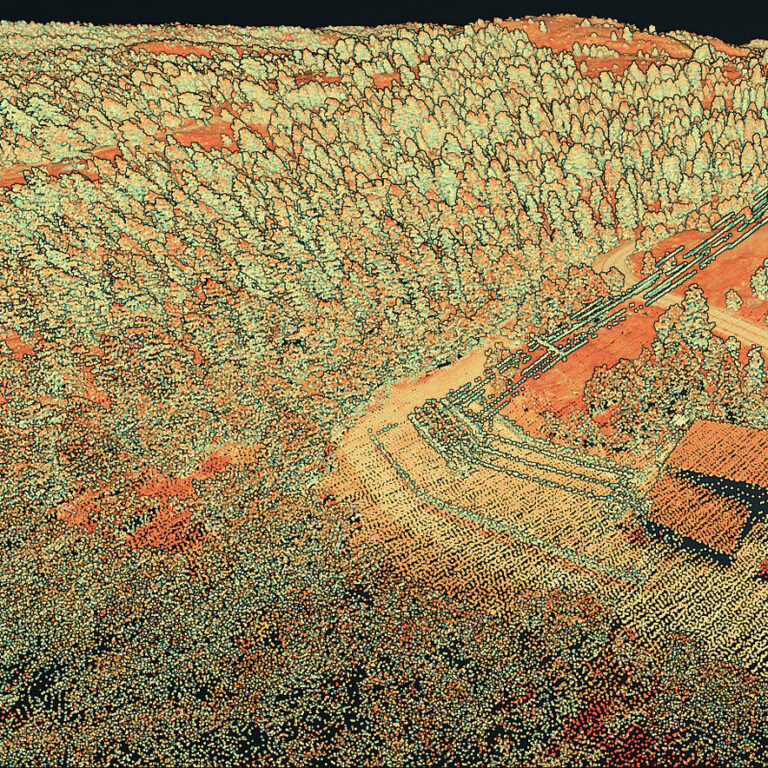
The Action Plan utilizes a broad body of scientific research on the key risks facing California’s landscapes and communities and the effectiveness of resilience strategies and programs.
The Task Force commissioned its independent Science Advisory Panel to prepare a synthesis of recent wildfire resilience research and a comprehensive set of findings (Science Synthesis) to inform the Plan’s priorities and strategies. The 2025 Forests and Rangelands Assessment from the California Department of Forestry and Fire Protection (CAL FIRE) and 2025 Natural and Working Lands Carbon Inventory from the California Air Resources Board (CARB) also provide essential information on the health of the state’s forests, shrublands, and grasslands, and the diverse wildfire risks facing California.
Tribal Input and Traditional Ecological Knowledge Inform the Action Plan:
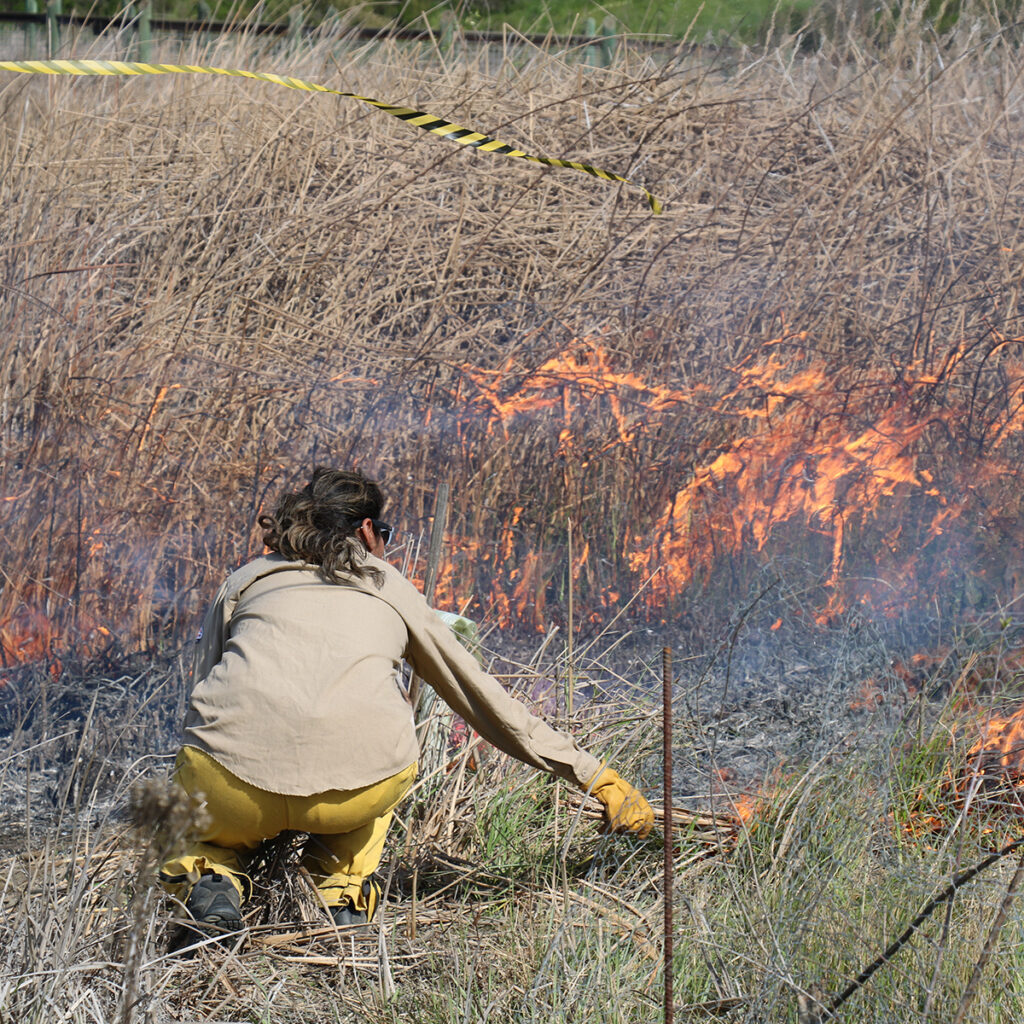
The Action Plan was developed in collaboration with California Native American tribes and tribal organizations to ensure that the plan is grounded in Traditional Ecological Knowledge (TEK) and tribal science. Additionally, the Action Plan pulls from California’s Strategic Plan for Expanding Beneficial Fire, which benefitted from significant tribal input and review and was developed in alignment with CNRA’s Tribal Stewardship Policy. The Action Plan will continue to be guided by meaningful tribal engagement and collaboration, consistent with tribal sovereignty and self-determination.